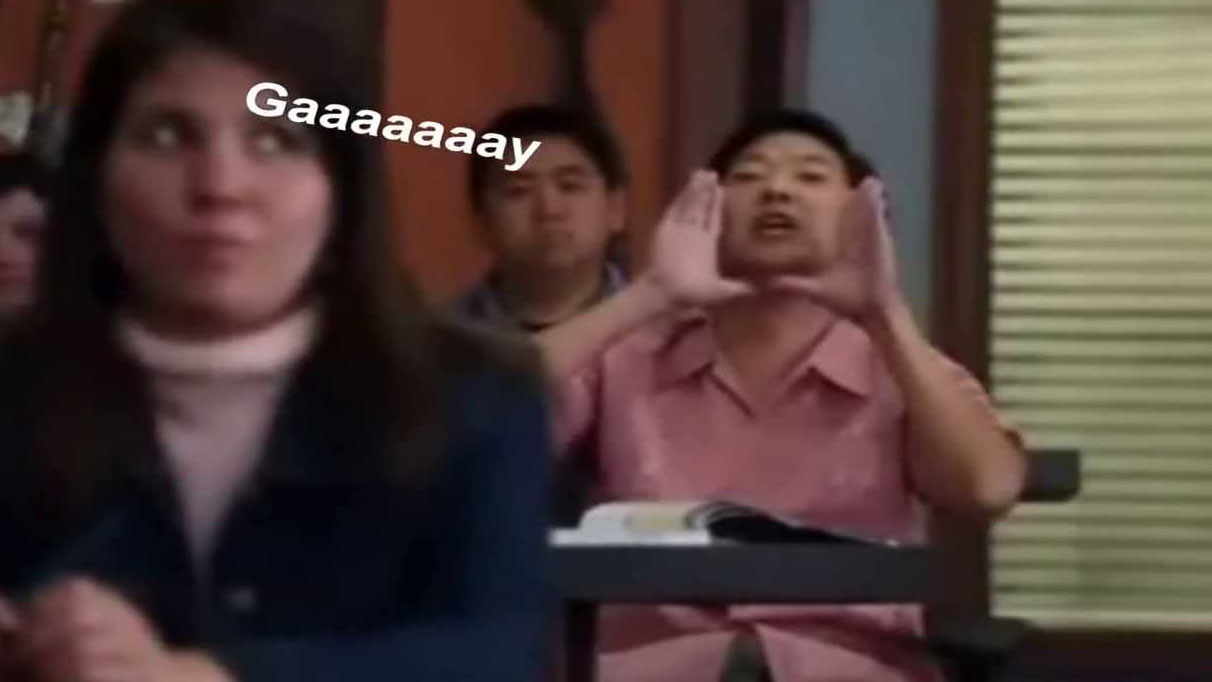
Understanding the 'Ha Gay' Phrase from the Ken Jeong GIF
The internet is a vibrant tapestry of shared humor, instant reactions, and endlessly looping snippets of pop culture. Among the most recognizable and frequently shared digital expressions is the infamous Ken Jeong "Ha Gay" GIF. This seemingly simple, yet incredibly impactful, animated image has cemented its place in online communication, sparking laughter, igniting debates, and becoming a shorthand for a specific kind of playful teasing. But what exactly is the story behind this viral sensation, and how has it come to dominate certain corners of internet discourse? This article delves into the origins, common usage, cultural impact, and responsible deployment of the
Ha Gay Gif, offering a comprehensive look at a meme that's more complex than it first appears.
The Genesis of the "Ha Gay" Gif: Tracing Its Origins
To truly understand the
Ha Gay Gif, we must first look at its brilliant progenitor: Ken Jeong. A physician turned comedian and actor, Jeong is renowned for his over-the-top, often chaotic, and endlessly quotable characters. While the exact source clip for the "Ha Gay" phrase and accompanying facial expression isn't universally agreed upon – some attribute it to his iconic role as Leslie Chow in *The Hangover* film series, others to Ben Chang in the beloved sitcom *Community* – the essence of his comedic delivery is unmistakable. Jeong specializes in portraying characters who are eccentric, confrontational, and possess a unique brand of unhinged charisma.
The specific moment captured in the GIF typically features Jeong leaning into the frame, sometimes with a conspiratorial smirk or a mocking glare, delivering the two words "Ha Gay" with a distinct intonation. It’s this combination of his recognizable persona, the specific cadence, and the visual punch that made it ripe for memeification. Once isolated and uploaded to GIF hosting platforms like GIPHY and Tenor, the clip quickly transcended its original context. Its brevity and strong emotional delivery allowed it to be repurposed across countless online conversations, becoming a standalone expression rather than just a scene from a movie or TV show. The power of the
Ha Gay Gif lies in this decontextualization, transforming a specific comedic beat into a versatile reaction tool.
Decoding the Usage: When and How to Deploy the Ha Gay Gif
The primary function of the
Ha Gay Gif in online communication is typically playful teasing or lighthearted mockery. It’s often deployed in situations where one friend might playfully call out another for something perceived as "gay" in a non-literal, often exaggerated, or ironic sense. This could range from commenting on an overly sentimental post, an effeminate action, or even just something deemed "cringe" or uncool within a specific friend group. The laughter isn't usually at the expense of someone's actual sexual orientation, but rather at a situation or an action that elicits an exaggerated, pseudo-mocking response.
Common scenarios where the
Ha Gay Gif might surface include:
*
Responding to a friend's dramatic post: If someone posts something overly emotional or melodramatic, the GIF can be a quick way to lighten the mood with a touch of teasing.
*
Reacting to perceived "weakness" or "softness": In some friend dynamics, showing a moment of vulnerability or an overly gentle reaction might be met with this GIF as a form of playful jabbing.
*
Ironic commentary: Sometimes, it’s used to highlight something that is *so* stereotypically masculine or "not gay" that the irony makes the GIF humorous.
*
In-jokes within communities: Certain online groups or gaming communities might develop their own specific, nuanced uses for the GIF that are understood internally.
It’s crucial to understand that the intent behind using the
Ha Gay Gif is almost always meant to be humorous and non-malicious within close-knit social circles. However, its usage demands careful consideration of context and audience. Misinterpreting its intent or deploying it outside of appropriate social boundaries can lead to offense. For a deeper dive into its specific applications, you might want to read
Decoding the Popular Ken Jeong 'Ha Gay' GIF Trend.
The Cultural Impact and Evolution of the Ha Gay Gif
Like many pervasive internet memes, the
Ha Gay Gif has a fascinating cultural footprint. It speaks to the broader phenomenon of how snippets of media are reappropriated and given new life online. Ken Jeong's expressive face and the impactful phrase create a unique synergy that resonates with internet users looking for a quick, visceral way to express a particular flavor of humor. Its viral appeal highlights how effectively visual gags and strong character delivery translate into universal online shorthand.
The evolution of the "Ha Gay" phrase and its associated GIF also touches on the ever-shifting landscape of internet slang and humor. While the word "gay" historically carried derogatory connotations, its use in many online contexts has evolved among younger generations. Sometimes it's reclaimed in a positive way, other times it's used as a general pejorative for something "bad" or "lame" without direct homophobic intent (though this usage is still problematic and controversial). The
Ha Gay Gif typically falls into the latter category of playful insult, often stripped of its literal meaning of sexual orientation and instead used as a general signifier of something uncool or ironically 'gay' within a specific, often very informal, social context.
However, this nuanced usage doesn't free it from scrutiny. The very phrase can be hurtful and perpetuate negative stereotypes, regardless of the user's intent. This tension between humorous intent and potential offense is a common theme in meme culture, requiring users to exercise discretion and empathy. The meme's popularity also underscores how celebrity reactions and catchphrases become fundamental building blocks of internet communication, offering a shared lexicon that transcends geographical boundaries. If you're interested in understanding the broader phenomenon of its virality, explore
Ken Jeong's 'Ha Gay' GIF: Unpacking Its Viral Appeal.
Navigating Meme Etiquette: Responsible Use of the Ha Gay Gif
The widespread adoption of the
Ha Gay Gif brings with it a responsibility for users to understand meme etiquette. While its primary role is to inject humor into conversations, the potential for misunderstanding or causing genuine offense is significant. Here are some practical tips for navigating its use responsibly:
*
Know Your Audience: This is paramount. The GIF is best reserved for close friends who understand your humor and the context of the meme. Avoid using it with strangers, in professional settings, or with anyone you suspect might be offended.
*
Consider the Context: Is the situation genuinely lighthearted, or could your GIF come across as mean-spirited? Avoid using it in sensitive discussions or when someone is genuinely upset.
*
Assess Your Intent: Are you using it to playfully tease, or is there an underlying desire to genuinely insult or demean? If it's the latter, reconsider your message entirely. The strength of the
Ha Gay Gif lies in its comedic irony, not its literal meaning.
*
Embrace Empathy: Even if you don't intend harm, consider how your message might be perceived by others. If there's any doubt, it's always safer to choose a different GIF or express yourself with words that leave no room for misinterpretation.
*
Understand the Word's History: While internet slang evolves, the term "gay" has a painful history of being used as a slur. Being aware of this history can help users be more mindful of how and when they deploy such language, even within a meme.
*
Have Alternatives Ready: If you want to playfully call out a friend for something "cringey" or "lame" without using the "Ha Gay" phrase, there are countless other GIFs and expressions that achieve a similar comedic effect without the potential for offense.
Ultimately, navigating internet humor, especially with memes like the
Ha Gay Gif, requires a blend of cultural awareness, social intelligence, and a dash of empathy. It's about understanding that while memes can be powerful tools for connection and humor, they are also forms of communication that carry weight and can have real-world impacts.
Conclusion
The Ken Jeong "Ha Gay" GIF stands as a fascinating microcosm of internet culture: a brief, potent snippet of media that has been stripped of its original context and repurposed into a versatile, often humorous, online reaction. Its popularity underscores Ken Jeong's indelible mark on comedy and the power of visual communication in the digital age. While it serves as a beloved piece of internet shorthand for many, particularly within close social circles, its use also highlights the ongoing dialogue around language, intent, and potential offense online. Understanding the origins, common usage, and the crucial importance of context and audience is key to responsibly enjoying and deploying the
Ha Gay Gif. As with all forms of communication, thoughtful engagement and empathy remain the most important tools in our digital lexicon.